


Choosing a healthcare training program is a bigger decision than simply finding a course you can afford. You are investing time, money, and effort with the expectation that the training will eventually help you enter a new profession.
Sterile processing attracts many career changers because it offers a path into healthcare without requiring a four-year medical degree or direct patient care. But that does not mean the profession is right for everyone—or that every training program provides the same preparation.
Before enrolling, it helps to understand what the job actually involves, what you will need to learn, how certification works, and what happens after the course ends.
Make sure you understand the actual job
Sterile Processing Technicians work behind the scenes in hospitals, surgical centers, and other healthcare facilities.
Their responsibilities can include:
- decontaminating reusable medical instruments;
- inspecting instruments for cleanliness and damage;
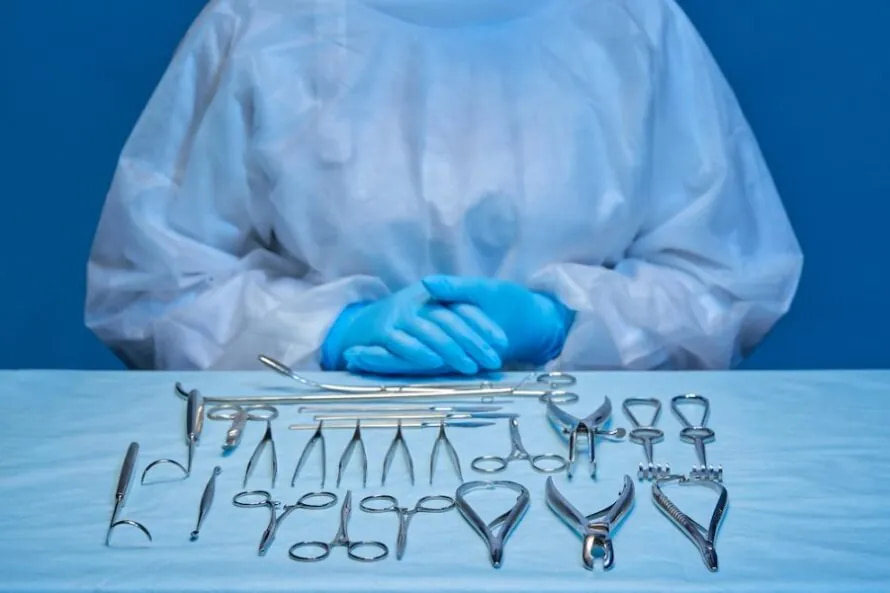
- identifying and assembling surgical instruments;
- preparing and packaging instrument sets;
- operating sterilization equipment;
- monitoring sterilization processes;
- storing and distributing sterile supplies;
- following infection-prevention and quality-control procedures.
It is detailed, highly structured work.
For some people, that is exactly the appeal. They prefer technical tasks, clear procedures, and limited patient interaction. Others may find the repetitive processes, physical demands, and strict rules less attractive.
Before paying for training, it is worth reading an honest breakdown of sterile processing career pros and cons rather than choosing the profession based only on salary claims or advertisements.
You don’t need a medical degree, but you do need professional knowledge
One reason sterile processing appeals to beginners is its relatively accessible entry path.
You do not need to become a nurse or complete years of medical school before learning the profession. People enter sterile processing from retail, hospitality, logistics, manufacturing, cleaning, office work, and many other industries.
But accessible does not mean unskilled.
A technician needs to understand microbiology, infection prevention, decontamination, surgical instrumentation, sterilization methods, packaging systems, quality assurance, storage requirements, and department workflow.
Mistakes involving surgical instruments can have serious consequences. Training therefore needs to provide much more than a basic introduction to sterilization equipment.
Training and certification are not the same thing
This is something every prospective student should understand before enrolling.
Completing a Sterile Processing Technician course does not automatically mean you hold a professional certification.
A training program teaches the knowledge required for the profession and can prepare you for a certification examination. The professional credential itself is earned separately by meeting the requirements of the relevant certification organization.
CRCST — Certified Registered Central Service Technician — is one of the best-known credentials in the field.
So when comparing schools, don’t simply ask:
“Do I receive a certificate when I finish?”
Ask:
“Does this program prepare me for professional certification, and what happens after I complete the course?”
Those are very different questions.
Find out exactly what tuition includes
Two programs with similar tuition can offer very different value.
One price might include only access to recorded lessons. Another might include instructor-led classes, textbooks, practice questions, certification preparation, and continued student support.
Before enrolling, check whether you will receive:
- live or recorded instruction;
- required textbooks and study materials;
- CRCST exam preparation;
- realistic practice questions;
- instructor access;
- assistance understanding the certification process;
- support after the course;
- career services.
Also ask which services are included in the basic tuition and which require an additional package.
Knowing this before enrollment prevents unpleasant surprises later.
Think realistically about your schedule
Many sterile processing students are adults changing careers. They already have jobs, children, and financial responsibilities.
That makes schedule an important part of choosing a program.
A course can have excellent content but still be a poor choice if attending it requires repeatedly missing work.
Online training can make the transition easier because students do not have to commute to a classroom. Live online instruction can also provide some of the flexibility of remote learning without leaving students completely alone with prerecorded videos.
For people who need to continue working while preparing for a new career, this can make the difference between actually completing a program and continually postponing the idea.
Ask how much exam preparation you will receive
Learning sterile processing and passing a certification exam are related, but they are not identical tasks.
You need to understand the profession first. Then you need enough practice applying that knowledge to exam-style questions.
Simply memorizing answers is not enough. A strong preparation process should help you recognize weak topics, understand why an answer is correct, and apply principles to unfamiliar situations.
This is particularly important for students without previous healthcare experience because nearly everything—from terminology to instrument processing—may initially be new.
Look beyond graduation
A surprisingly important question to ask a school is:
What happens after my final class?
You may still need to prepare for certification, complete required practical experience, create a professional resume, understand where hospitals advertise positions, and prepare for your first healthcare interview.
Some students can navigate these steps independently. Others benefit from additional guidance.
The important thing is knowing beforehand where the educational program ends and where your own responsibilities begin.
A good training decision should be based on the entire path into the profession, not simply the number of weeks until graduation.
Consider whether you want career support
Getting ready for employment involves a different set of skills from learning sterile processing.
A strong resume needs to present previous experience in a way that highlights legitimate transferable skills. An interview requires you to explain why you are entering healthcare and demonstrate that you understand the responsibilities of sterile processing. A job search requires identifying appropriate employers and positions rather than applying randomly.
Some training providers offer additional career services for students who want this level of assistance.
That can be particularly useful for career changers who have never applied for a hospital position before.
Choose training based on the outcome you need
The cheapest course is not automatically the best choice, and neither is the most expensive one.
Someone already working in a sterile processing department may need very different preparation from a complete beginner.
If you are starting from zero, look for a program that gives you enough structure to understand the profession, prepare for certification, and know what steps come next.
Multyprep offers live online Sterile Processing Technician training designed around that progression. Students receive structured instruction, study materials, CRCST exam preparation, and more than 1,000 practice questions, with additional levels of career support available for those who need them.
You can explore the available Sterile Processing Technician courses and training options before deciding which level of preparation fits your situation.
Don’t choose a course until you can answer five questions
Before enrolling anywhere, you should be able to answer:
1. What professional certification am I preparing for?
2. What exactly is included in my tuition?
3. Can I realistically attend the classes with my current schedule?
4. What steps will I still need to complete after graduation?
5. Does the actual day-to-day work of sterile processing fit me?
If those answers are clear, comparing schools becomes much easier.
Sterile processing can offer an accessible route into healthcare for someone without previous medical experience, but the goal should never be simply to complete a course. The real objective is to choose training that moves you toward certification, practical experience, and eventually your first professional role in sterile processing.